Main information on the Phosgene (COCL2) or " carbonyl dichloride ", Its physical characteristics, its health effects, the means to detect it (COCL2 gas detector) as well as adapted respiratory protection equipment (gas mask or power ventilation device with Combined Filter Type B-P3).
Main characteristics of phosgene (COCL2)
The " carbonyl dichloride (COCL2) better known as phosgene is synthesized by the reaction between the carbon monoxide and the chlorine. It can be formed by the decomposition of chlorinated hydrocarbon vapors and pyrolysis of plastics. It is found in the chemical industry (synthesis of herbicides and insecticides) and in the production of pharmaceuticals, dyes and the manufacture of chlorination agents.
Effects of phosgene on health
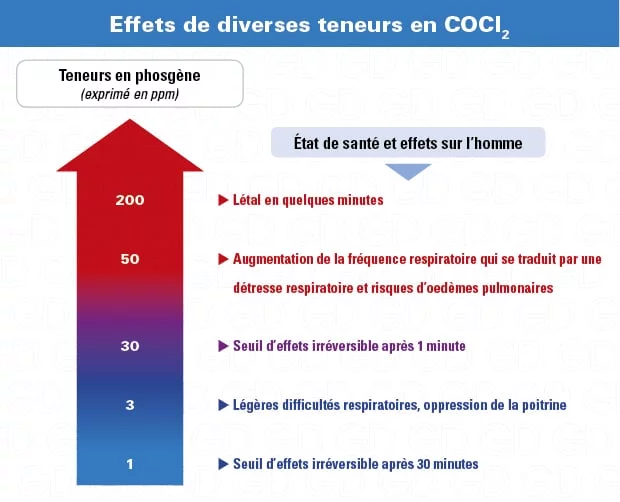
The phosgene (COCL2) is extremely toxic, which explains its use as a chemical weapon and combat gas during the First World War. It's a gas very toxic by inhalation (R26) which can cause chemical burns (R34). At room temperature it is a colorless gas, sometimes can take a slightly yellowish color with one that recalls the decomposition (moiish hay, or rotten apple).
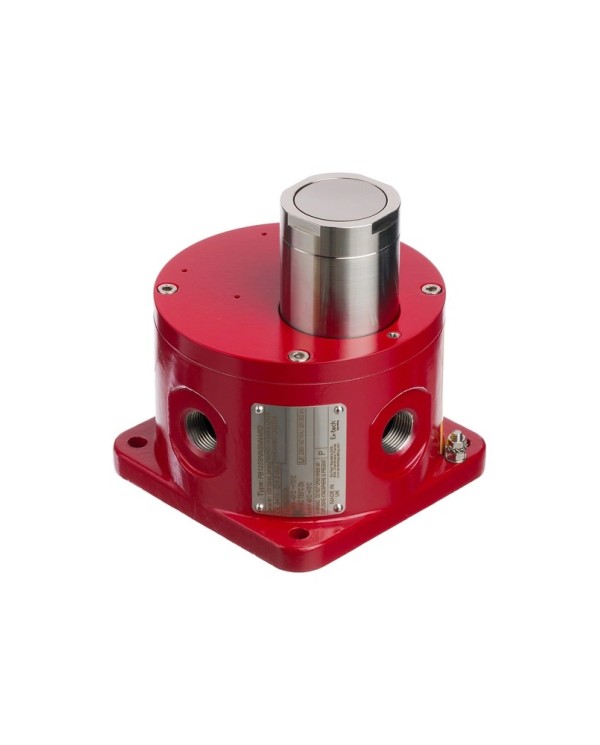
Cocl2 gas detector (phosgene)
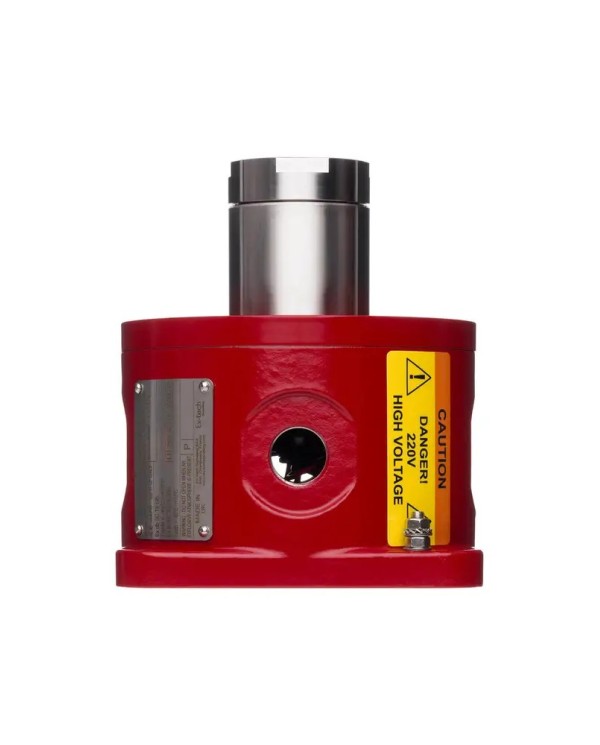
Although phosgene is an odorous gas, only one gas detector COCL2 can accurately measure the concentrations of this highly toxic gas, we will move towards a Phosgene detection in ppm, even in ppb.
For efficient phosgene respiratory protection, we will focus on a full mask for short time interventions or towards a assisted ventilation device (more comfortable) with Combined Filters Type ABEK-P3. If the concentrations exceed 60 times the VLEP, an insulating respirator will be imperative.
check_circle
check_circle
Nous utilisons des cookies tiers pour améliorer votre expérience de navigation, analyser le trafic du site et personnaliser le contenu et les publicités. En savoir plus