The evolution of fire detection technology: a history of fire detection systems from their origins to the present, highlighting major technological advances.
The evolution of fire detection technology in ATEX environments
Fire detection is crucial in all environments, but it is particularly vital in environments with explosive atmospheres (ATEX), where the risk of fire or explosion can have catastrophic consequences. Over the decades, fire detection technology in these high-risk areas has made significant progress, from rudimentary systems to state-of-the-art solutions incorporating the latest technological innovations. This article traces the evolution of these systems, highlighting the progress that has marked the way towards aincreased security.
The First Steps: Mechanical and Thermosensitive Systems
The history of fire detection begins with the use of simple mechanical systems and thermosensitive detectors. These devices, although basic, have laid the foundations of fire safety by offering a method to signal the presence of a fire. However, their effectiveness was limited, especially in ATEX environments where fires can spread rapidly and where flammable gases or vapours are present.
The Era of Ionic and Optical Smoke Detectors
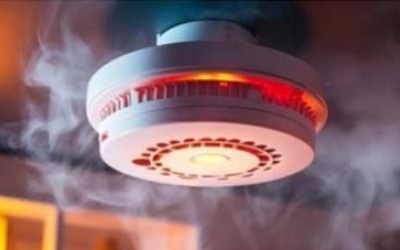
In the mid-20th century, the introduction of ionic and optical smoke detectors represented a major advance. Ion detectors, using a small amount of radioactive material, could detect smoke particles invisible to the naked eye. Optical sensors, on the other hand, used a light beam to detect smoke. These technologies improved the early detection of fires, but their application in ATEX media remained complex due to the need for specific and rapid gas and flame detection.
The Event of Gas Detection
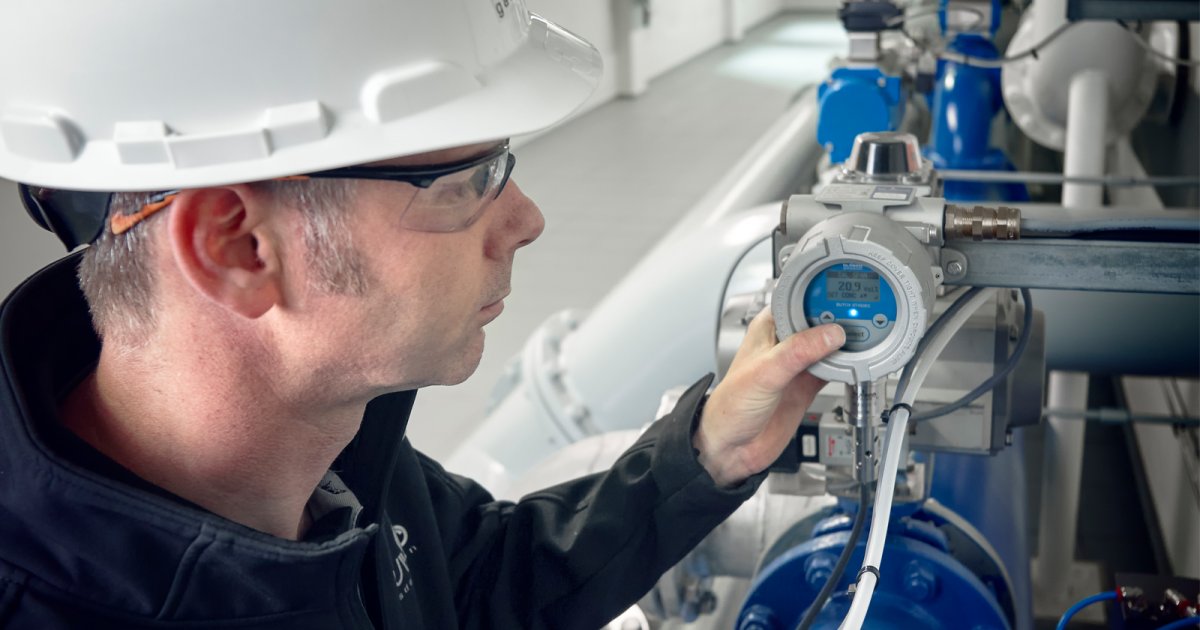
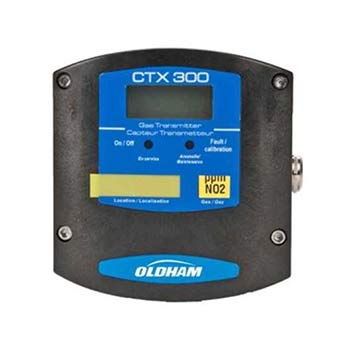
Recognizing the particular risks posed by ATEX environments, researchers and engineers have developed specific gas detectors capable of detecting the presence of flammable gases before they reach hazardous concentrations. These sensors use a variety of technologies, such as infrared, catalysis, or electrochemistry, to provide accurate and reliable monitoring of explosive or toxic gases.
Integration of Digital Technologies
The advent of digital technology has transformed fire detection in ATEX environments. The integration of smart sensors, real-time data processing, and automated alarm systems allowed for faster monitoring and response to incidents. In addition, the use of data analysis and artificial intelligence now provides an opportunity to predict and prevent incidents before they occur.
Towards the Future: IoT and Connected Solutions
The evolution of fire detection in ATEX environments, there is a trajectory marked by continuous innovation and the adoption of advanced technologies to meet the unique challenges posed by these high-risk environments. As technology advances, the future of fire detection promises to be even smarter
Nous utilisons des cookies tiers pour améliorer votre expérience de navigation, analyser le trafic du site et personnaliser le contenu et les publicités. En savoir plus