
The Crucial Role of Gas Detectors in Preventing ATEX Accidents

The Crucial Role of Gas Detectors in Preventing ATEX Accidents

Categories : News
The crucial role of gas detectors in preventing ATEX accidents: The importance and operation of gas detectors in the prevention of explosions.

The crucial role of gas detectors in preventing ATEX accidents

In industrial environments where explosive atmospheres (ATEX) pose a daily risk, accident prevention is a top priority. Gas detectors are among the most essential safety tools in this context. Their role in the prevention of explosions is invaluable, offering protection not only for installations and equipment, but especially for human life. This article explores the importance and operation of gas detectors in preventing ATEX accidents, highlighting why each company working in potentially explosive environments should integrate them into its safety strategy.

Importance of Gas Detectors

Gas detectors play a crucial preventive role in identifying the presence of flammable or toxic gases before their concentrations reach dangerous levels. In ATEX areas, where the presence of explosive substances can lead to devastating accidents, these devices provide an early warning, allowing the evacuation of risk areas and rapid intervention to control the source of the danger.

Their use helps to avoid explosions and fires that may result from accumulation of flammable gases, thereby protecting workers, facilities and the environment. In addition, gas detectors help to ensure compliance with strict occupational health and safety regulations, avoiding penalties and strengthening the company's reputation as responsible employer.

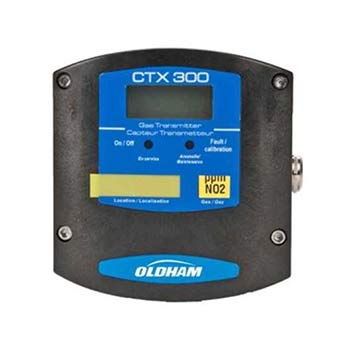
CTX300 Fixed Gas Detector

Operation of Gas Detectors

The gas detectors function by continuously measuring the concentration of gas in the air. There are several detection technologies, each adapted to specific types of gases or specific applications. The most common include:

  • Catalytic detectors: Use a chemical reaction that occurs when a flammable gas comes into contact with a heated catalytic surface, generating a signal proportional to the concentration of the gas.
  • Infrared detectors: Measure the absorption of infrared light by gases, allowing for specific detection of hydrocarbons and other types of flammable gases.
  • Electrochemical detectors: Sensitive to toxic gases, they operate by measuring the electrical current generated by the chemical reaction between the target gas and an electrode, providing precise and specific detection.

Integration into Security Systems

To maximize their efficiency, gas detectors must be integrated into a broader safety system, including visual and audible alarms, automatic ventilation systems and emergency response protocols. The positioning of detectors is also crucial for effective detection, requiring a thorough understanding of gas dynamics and specific risk areas within the facility.

Maintenance and calibration

The reliability of gas detectors is based on regular maintenance and accurate calibration. Sensors shall be tested and calibrated according to the manufacturer's recommendations to ensure their accuracy. Neglected maintenance may result in detector failures, leaving risk areas without adequate monitoring.

Gas detectors are silent sentries in the prevention of ATEX accidents, providing a crucial layer of protection in industrial environments. Their ability to provide early warning of the presence of dangerous gases is essential for the safety of workers and the preservation of assets. By judiciously integrating these devices into their safety strategy, companies can significantly reduce the risk of explosions and create a safer working environment for all.

Share this content