ATEX lighting is a crucial element in ensuring the safety of workers in potentially explosive environments. Areas at risk include chemical, petrochemical, pharmaceutical, food and offshore facilities. In this article, we will guide you step by step on how to choose the right ATEX lighting for your environment.
Understanding ATEX classification
The first step is to understand the aTEX classification. According to the European ATEX Directive, environments are divided into two categories: zones 0, 1, 2 for gases and zones 20, 21, 22 for dust. Areas 0, 1 and 2 for gases are areas where explosive atmospheres are permanently present, frequently or occasionally. The dust zones 20, 21 and 22 are areas where clouds of combustible dust can form frequently or occasionally. Depending on the area, different requirements apply to equipment used in these areas.
Choose the type of ATEX lighting
Once you understand the ATEX classification, it is time to choose the type of ATEX lighting suitable for your environment. LED luminaires are a popular option for ATEX lighting because of their long service life, low energy consumption and resistance to shocks and vibrations. Fluorescent lights are also a popular option for ATEX lighting. They are available in several sizes and powers and offer uniform lighting. Incandescent luminaires are the oldest and easiest form of lighting, but they have a shorter service life and consume more energy than the other two types of lighting ATEX lighting.
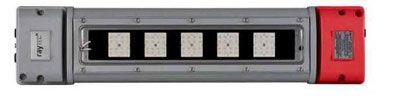
SPARTAN WL84 Zone 1 3065 Lumens LED Emergency Light
Choose the right power for your ATEX area
Once you have chosen the type of ATEX lighting suitable for your environment, you must determine the appropriate power. The power required will depend on the area in which you work and the light intensity required. It is important to choose a ATEX lighting which meets the safety standards in force for your ATEX area.
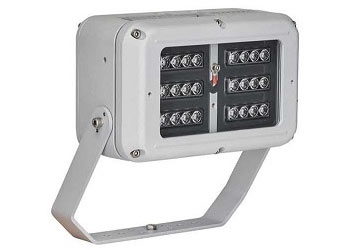
Atex SPARTAN FL24 projector for zone 1 / 21
Taking into account the environment
In addition to ATEX classification, lighting type and power, you must also take into account the environment in which you work. This may include temperature, humidity, vibration or corrosion. It is important to choose a aTEX lighting which can withstand these conditions.
Use ATEX lighting specialist
In addition to ATEX classification, lighting type and power, you must also take into account the environment in which you work. This may include temperature, humidity, vibration or corrosion. It is important to choose a aTEX lighting which can withstand these conditions.
Choosing the right ATEX lighting can be complex and requires safety expertise. If you are not sure about the best option for your environment, it is recommended to use a professional. An ATEX lighting specialist can help you select the best lighting for your area and properly install it to ensure the safety of your staff.
In conclusion, choosing the right ATEX lighting is crucial to ensure the safety of workers in potentially explosive environments. A2S experts are at your disposal to advise you and define the ATEX lighting solution best suited to your needs. Contact us!
Nous utilisons des cookies tiers pour améliorer votre expérience de navigation, analyser le trafic du site et personnaliser le contenu et les publicités. En savoir plus