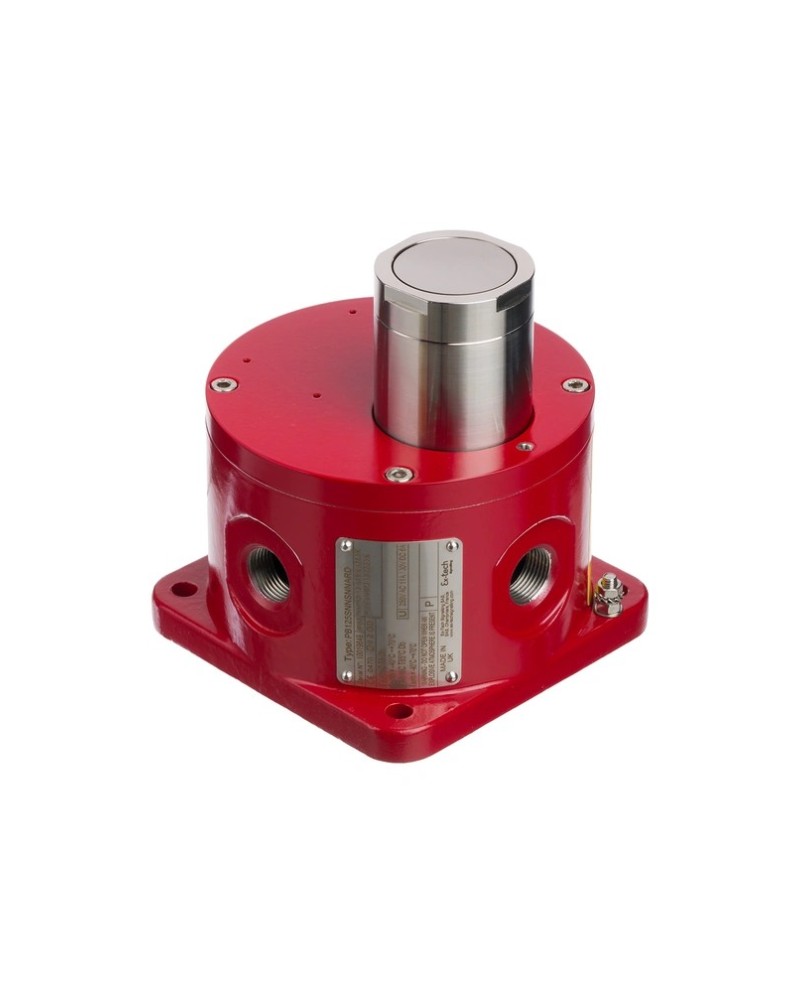
Cette page regroupe les principales informations sur le propane(C3H8) ou « diméthylméthane», ses caractéristiques physiques, ses effets sur la santé, les moyens de le détecter (détecteur gaz C3H8) ainsi que les équipements de protection respiratoire adaptés (appareils respiratoires isolant ou système à adduction d'air).
Principales caractéristiques du propane (C3H8)-
Le propane (C4H8) ou « diméthylméthane », est un gaz de la famille des alcanes principalement utilisé comme source d'énergie par combustion dans les moteurs à combustion interne ou les chaudières. Il est principalement issu de la purification du gaz naturel ou de la séparation des gaz de pétrole liquéfiés. Dans le milieu industriel, le propane est également utilisé en tant qu'agent réactif dans la synthèse par exemple de l'éthylène, du benzène, du toluène ou du xylène.
Effets du propane sur la santé
Pur, le propane (C3H8) est un gaz incolore et inodore, cependant, un agent odoriférant – l'éthanethiol – lui est ajouté dans le but de détecter sa présence en cas de fuite. Le propane est un gaz nocif par inhalation et est surtout lié à la raréfaction de l'oxygène (risque de suffocation). On le retrouve à l'état gazeux à température ambiante mais il peut se liquéfier à pression d'environ une dizaine de bars. Sa combustion est propre et génère de l'eau et du gaz carbonique.
Détection gaz C3H8 (Propane)
Indiscernable à l’odeur, seul un détecteur gaz C3H8 peut mesurer avec précision les concentrations de ce gaz explosif, on s'orientera donc vers une détection de propane en explosivité avec une mesure en pourcentage de LIE (explosimètre).
Pour la calibration et les tests gaz de vos détecteurs gaz fixes ou portables, des bouteille de gaz étalon propane sont disponibles.
Le propane est un gaz asphyxiant avec d'importants risques de suffocation, on s'orientera donc vers un appareil respiratoire isolant à circuit ouvert (ARICO) ou un système à adduction d'air pour les interventions de longues durées.
check_circle
check_circle
Afin de garantir une expérience optimale sur ce site, nous utilisons des cookies pour personnaliser le contenu, fournir des fonctionnalités sociales et analyser notre trafic. En poursuivant votre navigation, vous consentez à l’utilisation de ces cookies. Vous pouvez à tout moment modifier vos préférences directement dans les paramètres de votre navigateur.